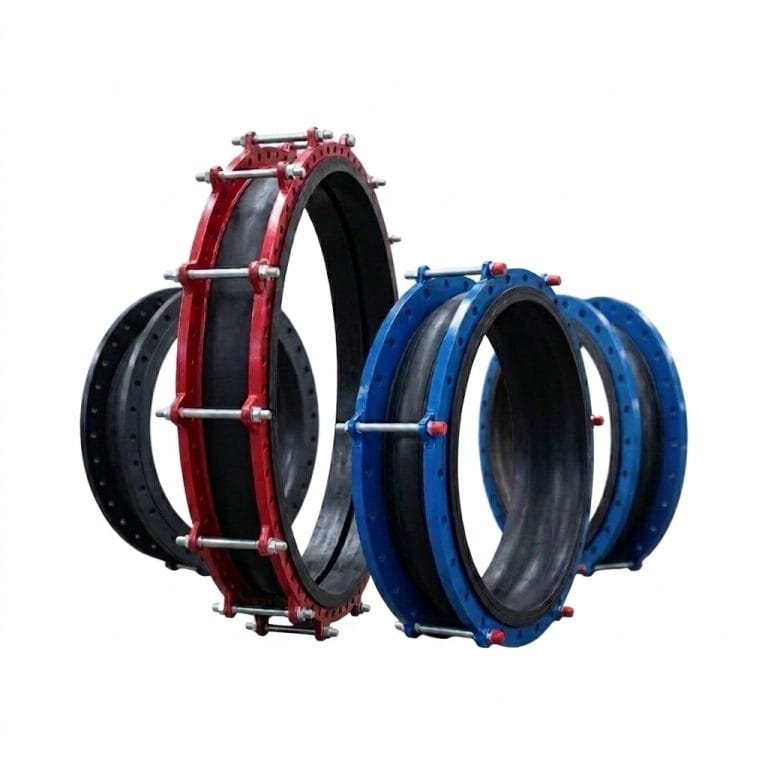
Buried Pipeline Compensator Protection: Complete Solution Guide
In direct-buried municipal heating and industrial fluid transport networks, expansion joints and bellows compensators face a tough underground environment. Soil pressure, groundwater, and backfill friction all work against the compensator — and when these factors combine, the compensator can fail well before its expected service life.
At Henan Devel Fluid Equipment Co., Ltd., we offer a buried compensator protection solution designed to address these issues in a practical, straightforward way. This article walks through the protection system — what it does, how it’s built, the installation process, and where it’s most commonly used.
📋 In This Article:
- Common Problems with Buried Compensators
- Our Protection System: How It Works
- Technical Specifications
- Installation Steps
- With Protection vs. Without
- Where This Solution Is Used
- Why Work with Devel Fluid
- Frequently Asked Questions
1. Common Problems with Buried Compensators
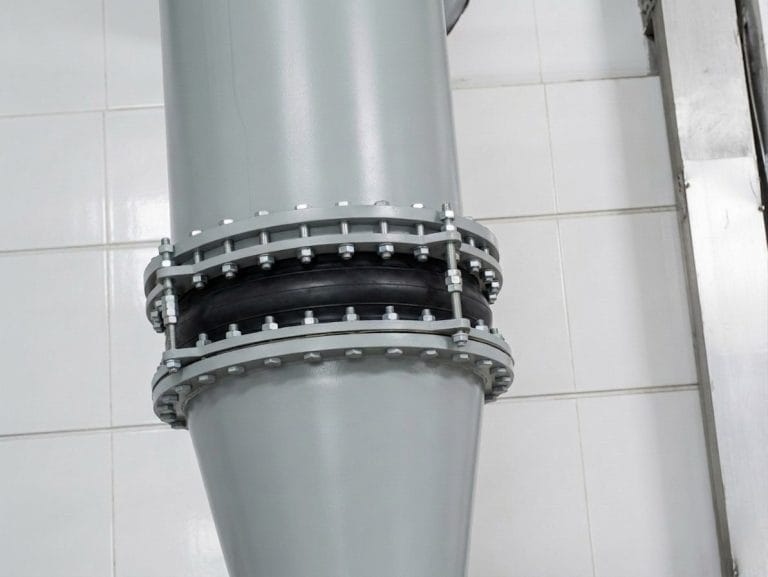
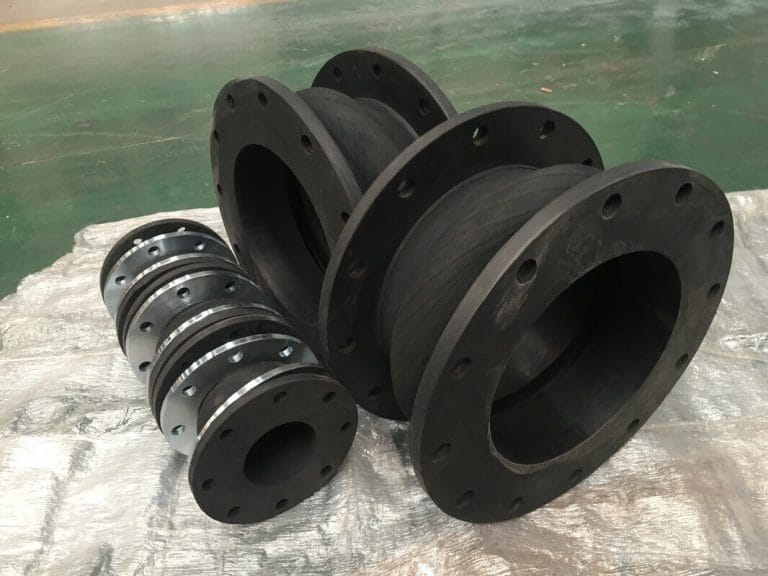
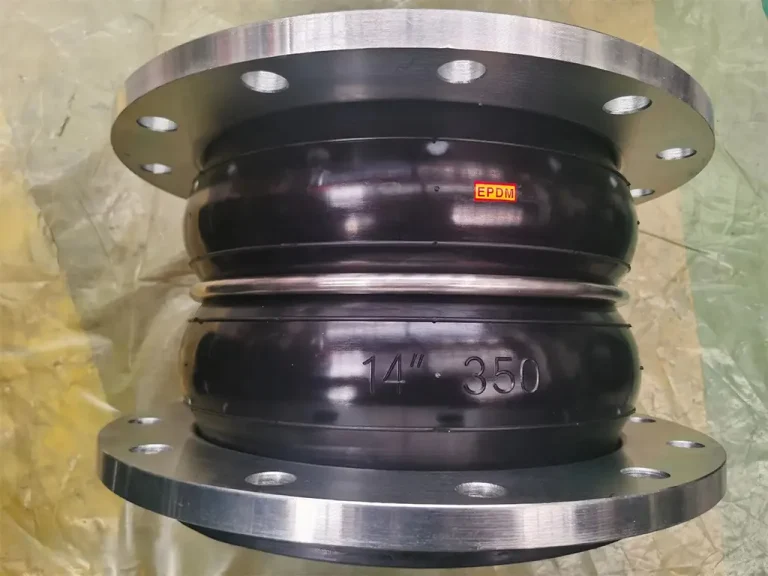
Compensators are designed to absorb thermal expansion, vibration, and misalignment in pipeline systems. When installed underground, however, three practical problems come up that the compensator alone cannot solve:
Structural Load from Soil and Surface Traffic
Buried compensators bear the weight of the soil above them, which can be several meters deep. If the pipeline runs under a road or industrial yard, vehicle loads add dynamic pressure on top. Without a rigid external housing, these forces press directly on the bellows, which can lead to deformation or cracking over time.
Friction from Backfill Restricting Movement
After backfilling, the soil settles and packs around the compensator. This creates friction that resists the thermal expansion movement the compensator is meant to handle. When the compensator can’t move freely, stress builds up at the pipeline joints instead of being absorbed.
Corrosion from Groundwater and Soil Conditions
Groundwater, acidic or alkaline soil, and stray electrical currents in the ground create a corrosive environment around the bellows. Even stainless steel can suffer in these conditions over repeated thermal cycles. Once corrosion sets in, the only fix is excavation and replacement — which is far more expensive than proper protection from the start.
2. Our Protection System: How It Works
The protection device is built around three core ideas: keep soil away from the compensator, bear the external loads with a rigid shell, and make it possible to access the compensator later if needed.
Split-Hollow Modular Design — Creating an Independent Chamber
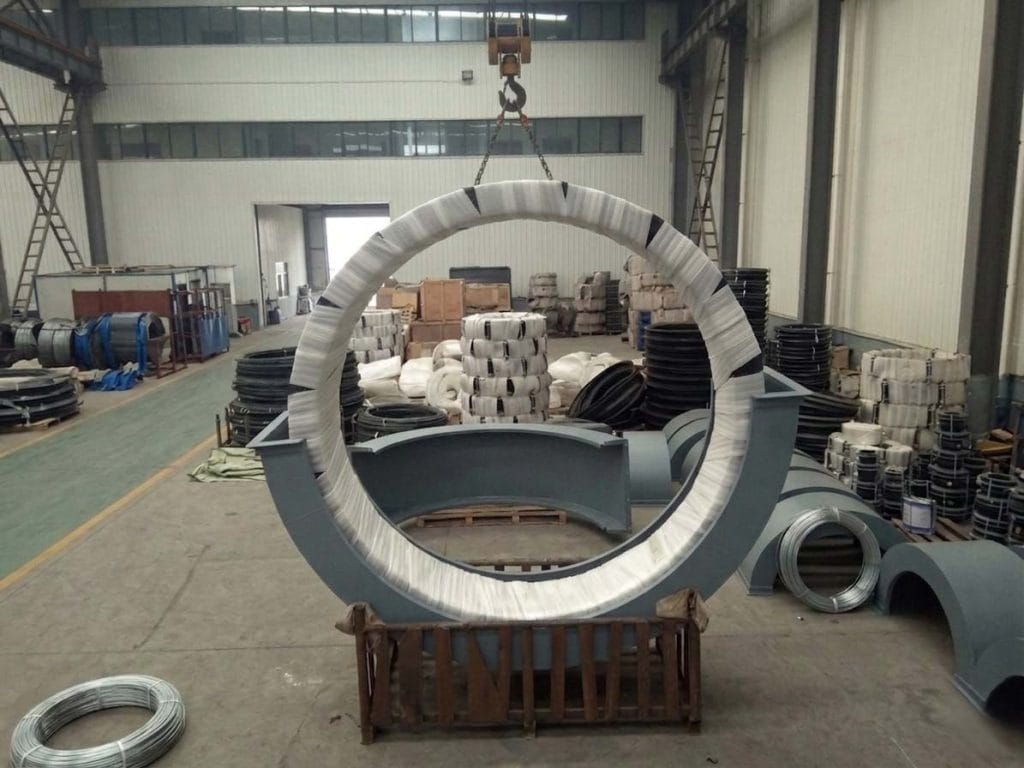
Key feature: The protector is made of two semi-circular hollow halves that bolt together around the compensator. No cutting, no welding — it assembles on site around the existing pipeline.
This split-shell design forms a sealed void space — an “independent internal chamber” — around the compensator. Once assembled, backfill soil never touches the bellows. The compensator sits inside this chamber and can move freely in all directions as the pipeline expands and contracts with temperature changes.
Practical benefits of this design:
- Can be retrofitted: Installed on existing buried compensators — excavate the area, clean the pipe, assemble the protector, backfill.
- Can be inspected: The bolted design means you can open it up for inspection without destroying the structure.
- Custom-sized: The internal cavity is made to match your specific compensator’s movement requirements — axial stroke, lateral offset, angular deflection.
Load-Bearing Structure
The protector shell uses reinforced vertical support ribs and flat steel rider structures to carry external loads around the compensator rather than through it. Available in diameters up to DN2000mm. The structure is designed to handle typical soil overburden pressure and surface vehicle loads at standard municipal burial depths.
Anti-Corrosion Coating
Both the inside and outside of the protector shell receive a multi-layer coating — typically asphalt or epoxy coal tar — to resist soil acids, alkalis, and groundwater. The coating system covers a temperature range from -40°C to 120°C, suitable for everything from chilled water to high-temperature steam lines. Bolt connections get post-assembly anti-rust treatment and external sealing.
3. Technical Specifications
| Specification Item | Detail / Value |
|---|---|
| Nominal Diameter Range | DN50mm – DN2000mm (custom sizes available) |
| Main Body Material | Carbon Steel (standard) / Stainless Steel AISI 304 / 316 |
| Applicable Media | Hot Water, Steam, Crude Oil, Weak Corrosive Fluids |
| Operating Temperature | -40°C to +120°C |
| Connection Method | High-Strength Bolt Fastening |
| Coating System | Multi-layer Asphalt / Epoxy Coal Tar (internal & external) |
| Standards Reference | GB/HG Chinese National Standards & International Norms |
| Custom Engineering | Internal cavity sized to match axial, lateral & angular displacement requirements |
4. Installation Steps
The split-hollow design keeps installation simple — no special heavy equipment needed. Here’s the standard procedure:
- 1Positioning & PreparationComplete the compensator installation and pipeline connection. Verify alignment and ensure the compensator is at its neutral position. Clean the pipe surface on both sides of the compensator for a 500mm preparation zone.
- 2Coating InspectionInspect the internal anti-corrosion coating integrity of both protector halves. Touch up any shipping damage with the supplied repair kit. Ensure all bolt holes are clean and free of debris.
- 3Assembly & LockingPosition the lower half beneath the compensator. Align the upper half and lower it into place. Insert all locking bolts and tighten in a cross-pattern sequence to the specified torque. Verify the gasket seal is uniformly compressed.
- 4Final Surface ProtectionApply anti-rust coating to all bolt heads, nuts, and exposed metal surfaces. Perform external joint sealing along the split line and end-pipe interfaces using the specified sealant compound.
- 5Controlled BackfillingBackfill in 300mm layers using specified bedding material. Perform mechanical tamping after each layer. Maintain even fill height on both sides of the protector to prevent uneven lateral loading. Continue to finished grade.
⚡ Typical installation time: 2–4 hours for standard DN100–DN600 sizes. No hot work (welding) required on site.
5. With Protection vs. Without: A Quick Comparison
| Performance Metric | Unprotected Buried Compensator | Devel Fluid Protected System |
|---|---|---|
| Soil Contact | Full bellows contact with backfill | Zero contact — isolated chamber |
| Thermal Movement Freedom | Restricted by soil friction | 100% free axial & lateral movement |
| Corrosion Protection | Dependent on bellows material only | Multi-layer coating + sealed chamber |
| Load Bearing | Soil/vehicle loads on bellows | Loads transferred through rigid housing |
| Inspectability | Requires full excavation | Bolt-access inspection possible |
| Expected Service Life | Typically 5–10 years | Extended by isolation from soil and corrosion |
| Lifecycle Cost | Higher — more frequent excavation and replacement | Lower — one-time installation, less maintenance |
6. Where This Solution Is Used
This protection system is most commonly found in the following types of projects:
Municipal District Heating Networks
The most common application. Direct-buried pre-insulated heating pipes use compensators at intervals to handle thermal expansion. The protector keeps the compensator working properly in these buried conditions, especially in regions with large seasonal temperature swings.
Industrial Fluid Transport Pipelines
Pipelines carrying hot water, steam, or process fluids across plant sites — particularly where they pass under roadways or heavy traffic areas — use the protector to shield the compensator from surface loads.
High-Water-Table and Coastal Areas
Where groundwater is high or soil is saline, the multi-layer coating provides an extra barrier against corrosion that would otherwise shorten the compensator’s life.
7. Why Work with Devel Fluid on This
We Do Custom Sizing
The internal cavity of the protector is sized to match your specific compensator’s movement range — axial stroke, lateral offset, angular deflection. This isn’t an off-the-shelf product; each unit is matched to the compensator it protects.
We Handle Small Batches
Many large manufacturers set minimum order quantities that don’t work for smaller projects or one-off installations. We take on small-quantity orders and non-standard specifications that others may turn down.
Engineering Background
Our team has hands-on experience with piping and valve systems across multiple international standards — ASME, DIN, JIS, GB. When you send us a specification, we understand what you need.
Warranty and Support
12-month standard warranty. Technical questions are answered promptly — typically within 24 hours.
8. Frequently Asked Questions
Q: Can the protector be installed on an already-buried compensator?
A: Yes — that’s one of the key advantages of the split-hollow design. The compensator area must be excavated and the surrounding pipe surface cleaned, but the pipeline itself does not need to be cut or disconnected. This makes it suitable for retrofit projects.
Q: What happens if the compensator needs maintenance after the protector is installed?
A: The bolted assembly can be unbolted and removed to access the compensator for inspection or replacement. This is a key advantage over welded protection structures that require destructive removal.
Q: What is the maximum burial depth the protector can handle?
A: This depends on the diameter and reinforcement. Standard designs accommodate typical municipal burial depths of 1.5–4 meters. For deeper installations or special load conditions, we engineer reinforced versions. Contact us with your depth and load specifications for assessment.
Q: Is the protector compatible with pre-insulated piping systems?
A: Yes. The protector interfaces with standard pre-insulated pipe dimensions. We can also coordinate the external insulation and waterproofing layer to integrate with your existing system design.
Q: What documentation do you provide for quality assurance?
A: Every shipment includes material test certificates (MTC), dimensional inspection reports, coating thickness measurement records, and assembly fit-check documentation. Third-party inspection is available upon request.
Need a Buried Compensator Protection Solution?
Send us your compensator specifications and burial conditions. We’ll provide a proposal — typically within 24 hours.
📩 Request a Quote📞 WhatsApp: +86 18137171953 | 📧 info@develfluid.com