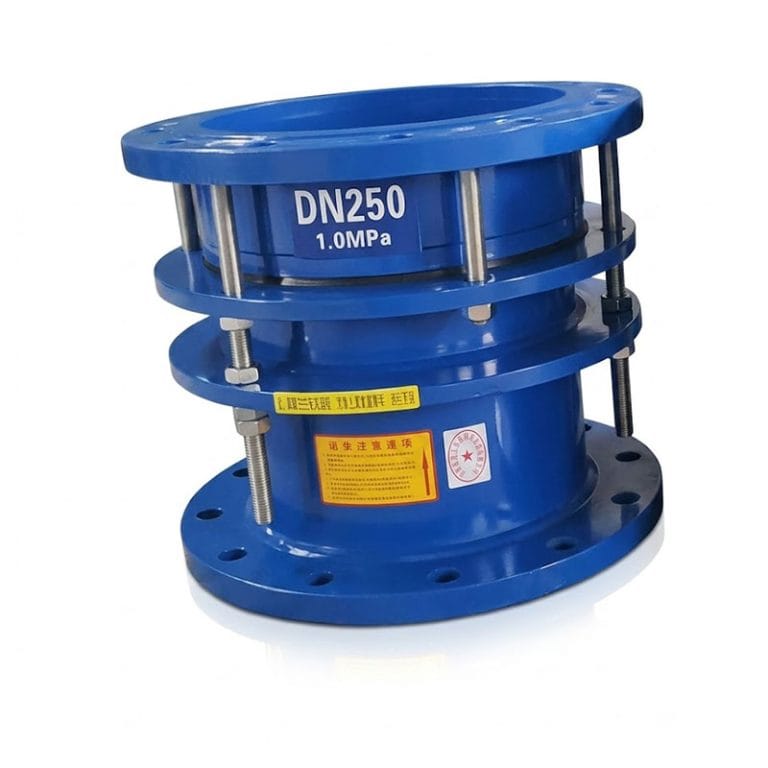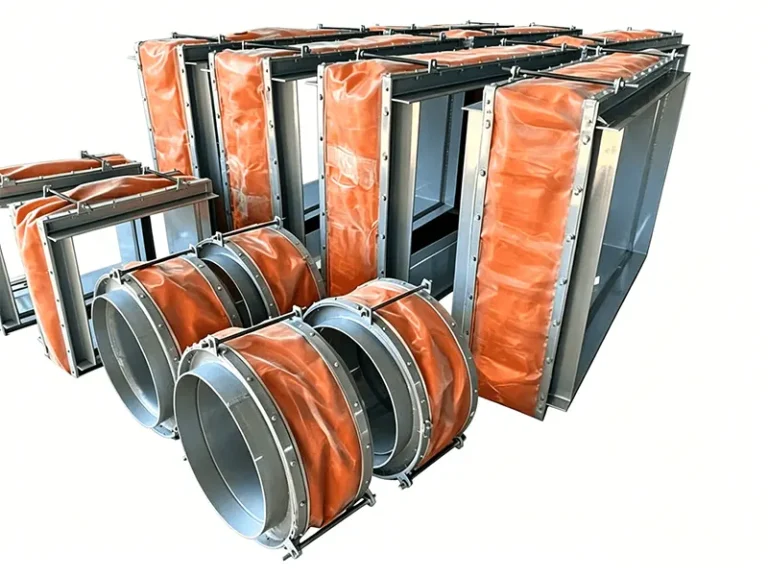
Why EPDM Rubber Is the Top Choice for Expansion Joints
Every bridge, pipeline, and commercial building faces the same invisible challenge: materials move. As temperatures rise and fall, construction materials expand and contract — and without the right components in place to handle that movement, the consequences can be severe. This is precisely where expansion joints come into play, and why the material you select for them matters enormously.
Among the range of elastomers available today, EPDM rubber (Ethylene Propylene Diene Monomer) consistently proves itself as the standout performer. At Dewelle, we manufacture high-grade EPDM expansion joints engineered to withstand decades of punishing conditions — from scorching highway heat to freezing industrial environments.
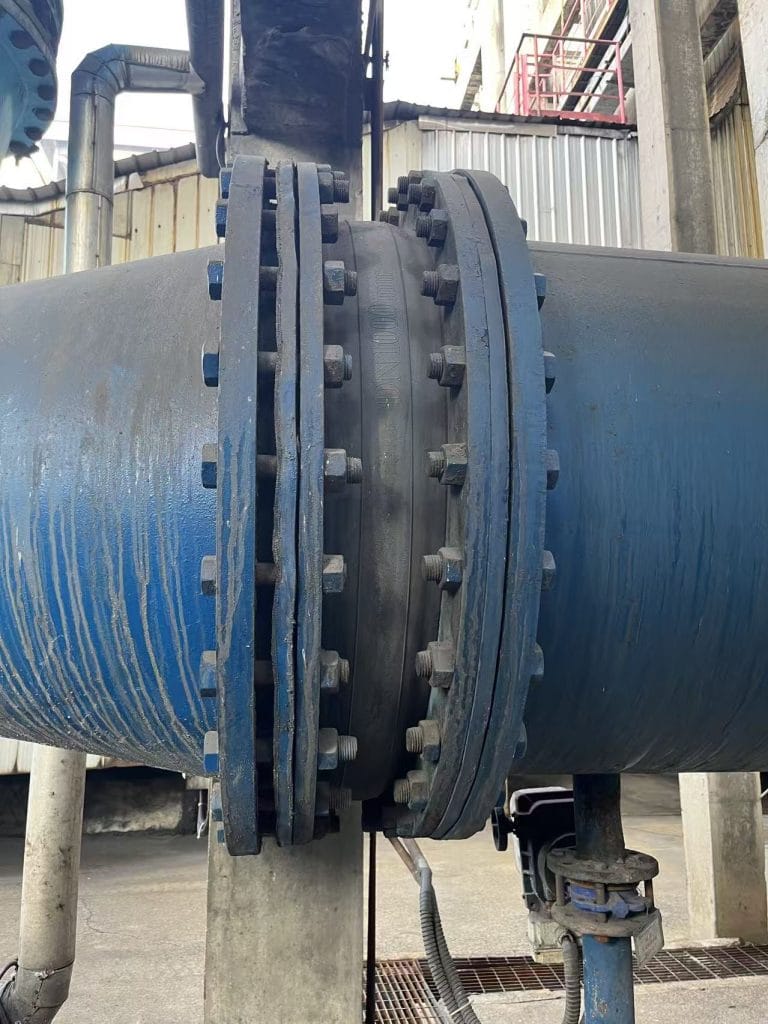
What Expansion Joints Actually Do
Think of an expansion joint as a structure’s shock absorber. When concrete, steel, or other construction materials experience temperature swings, they change dimensions — sometimes by inches. Expansion joints create deliberate gaps filled with flexible material that can stretch and compress in response, preventing the stress from cracking or buckling the structure itself.
The forces expansion joints manage include:
- Daily and seasonal temperature fluctuations that cause materials to expand and shrink
- Seismic events and ground settlement in earthquake-prone regions
- Constant vibration and dynamic loads from traffic, machinery, and wind
- Moisture ingress that can corrode reinforcement and weaken structural integrity over time
Skipping expansion joints — or choosing the wrong material for them — leads directly to cracked concrete, leaking pipes, warped steel members, and eventually costly structural repairs. The question isn’t whether you need expansion joints; it’s which material will perform longest and cost least over the full life of the project.
What Sets EPDM Rubber Apart
Built to Survive Outdoors for Decades
Most rubber materials degrade quickly when left exposed to the elements. Sunlight, ozone, rain, and temperature swings cause cracking, hardening, and eventual failure. EPDM is fundamentally different. Its saturated polymer backbone makes it naturally immune to the degradation mechanisms that destroy other elastomers:
- Sun and weather exposure barely affect EPDM — it won’t crack or turn brittle after years outdoors, which is why it’s the go-to material for roofing membranes and bridge joints alike
- Ozone attack is a well-known failure mode for natural rubber and many synthetics, but EPDM’s molecular structure shrugs it off entirely
- Service life routinely reaches 30 to 50 years in properly designed applications, dramatically outlasting neoprene (15-25 years) and natural rubber (10-15 years)
💡 Key Stat
Independent studies confirm that EPDM roofing membranes and expansion joints can remain functional for half a century with minimal maintenance — making them one of the longest-lasting elastomer solutions on the market.
Flexibility That Doesn’t Quit
An expansion joint material is only as good as its ability to move — and keep moving — without losing shape. EPDM delivers here in ways that matter for real-world performance:
- It handles large-amplitude movement without permanent deformation, meaning the joint keeps working year after year even under extreme thermal cycling
- The operating envelope is impressive: -40°F to 240°F (-40°C to 116°C), so whether your project is in northern Canada or the Middle East, EPDM stays flexible
- Low compression set means that even after being squeezed under load for extended periods, EPDM rebounds to its original form — critical for joints that experience heavy, repeated loading
Chemical Resistance for Industrial Environments
Not all expansion joint applications are clean and dry. In chemical processing plants, water treatment facilities, and manufacturing environments, joints face constant exposure to aggressive substances. EPDM holds up well against:
- Dilute acids and alkalis
- Polar solvents including water, alcohols, and glycols
- Steam and hot water up to rated temperature limits
- Many oxidizing chemicals found in industrial process streams
A word of caution: EPDM is not suited for continuous exposure to petroleum-based oils, fuels, or hydrocarbon solvents. For those environments, Dewelle offers alternative elastomer solutions — reach out to our engineering team and we’ll point you in the right direction.
Thermal Performance Advantages
Beyond just surviving temperature extremes, EPDM contributes to building performance in ways that are easy to overlook:
- Its low thermal conductivity helps minimize heat transfer across building joints, contributing to overall energy efficiency
- It stays dimensionally stable across its entire operating range — no becoming glass-brittle in winter or gummy in summer
- Flame-retardant formulations are available for projects with strict fire safety code requirements
Why EPDM Makes Financial Sense
Construction material decisions often come down to upfront cost. But with expansion joints, that’s a mistake. The real cost is measured over decades, not at the point of purchase.
The Lifetime Cost Argument
When you factor in replacement labor, downtime, and maintenance, EPDM’s economics become compelling:
- With a 30-50 year service window, EPDM may never need replacement within the design life of many buildings
- Maintenance demands are minimal — periodic visual inspection is typically all that’s needed
- Fewer replacements mean less operational disruption, whether it’s a highway lane closure or a factory shutdown
- Installation is straightforward and fast, reducing labor costs at the construction stage
Over a 30-year building lifecycle, EPDM expansion joints consistently deliver the lowest total cost of ownership among elastomer options.
Simple Installation, Minimal Upkeep
Dewelle fabricates every EPDM expansion joint to your exact specifications before it leaves our facility. This means:
- Joints arrive pre-cut and ready to install — no field modifications needed
- EPDM is significantly lighter than metal alternatives, making handling safer and faster
- Integration with existing structures is simple, whether you’re using adhesive bonding or mechanical fastening
- After installation, EPDM essentially takes care of itself
One Material, Countless Applications
EPDM’s versatility is a major advantage for contractors and specifiers who work across different project types:
- Transportation: Bridge deck joints, highway expansion systems, tunnel seals, airport runways
- Commercial buildings: Floor-to-floor joints, curtain wall seals, parking structure expansion gaps
- Industrial: Pipe expansion joints, tank seals, flue duct connections, chemical processing equipment
- Residential: Flat roof membranes, window and door seals, deck and balcony waterproofing
EPDM Compared to Other Materials
When you put EPDM side by side with the alternatives, the differences become clear:
| Performance Factor | EPDM | Neoprene | Natural Rubber | Silicone |
|---|---|---|---|---|
| Weather / UV Resistance | ✅ Excellent | Good | ❌ Poor | ✅ Excellent |
| Ozone Resistance | ✅ Excellent | Moderate | ❌ Poor | ✅ Excellent |
| Temperature Range | -40°F to 240°F | -30°F to 225°F | -20°F to 180°F | -75°F to 400°F |
| Chemical Resistance | ✅ Strong (acids/alkalis) | Moderate | ❌ Weak | Good |
| Tear Resistance | Good | ✅ Very Good | ✅ Excellent | ❌ Poor |
| Cost-Effectiveness | ✅ Excellent | Good | Moderate | ❌ Expensive |
| Expected Service Life | ✅ 30-50 years | 15-25 years | 10-15 years | 20-30 years |
The takeaway is straightforward: EPDM delivers the best all-around package. Silicone handles a wider temperature range, but it’s expensive and tears easily. Neoprene is decent across the board but doesn’t match EPDM’s longevity. Natural rubber simply can’t compete on weathering or chemical resistance. For the vast majority of expansion joint applications, EPDM hits the sweet spot of performance, durability, and cost.
Where You’ll Find EPDM Expansion Joints at Work
Bridge and Highway Infrastructure
Bridge expansion joints endure some of the toughest conditions in all of civil engineering: direct sunlight, freeze-thaw cycling, de-icing chemicals, and the relentless pounding of traffic. Transportation agencies around the world specify EPDM for these applications because the material:
- Handles joint movement ranges measured in inches, not fractions
- Stands up to road salts and chemical de-icers without degrading
- Forms a reliable watertight seal that keeps corrosive moisture away from bridge substructures
- Provides smooth, quiet vehicle transitions across joint gaps
Commercial and High-Rise Construction
Modern commercial buildings rely on EPDM expansion joint systems throughout their structure:
- Floor slabs and wall assemblies where thermal movement must be accommodated
- Curtain wall and facade systems subject to wind-induced sway and daily temperature cycles
- Parking structures where resistance to water, salt, and automotive fluids is essential
- Roof-level joints integrated into the building’s waterproofing envelope
Industrial Piping and Process Systems
In factories, refineries, and processing plants, EPDM pipe expansion joints serve multiple functions simultaneously:
- Absorbing the linear expansion and contraction of long pipe runs
- Isolating pump and compressor vibration to protect connected equipment
- Compensating for minor alignment offsets that occur during installation
- Providing chemical resistance in lines carrying acids, caustics, and polar process fluids
Residential Roofing and Weatherproofing
EPDM has been the standard for residential flat roofing for decades — and for good reason. EPDM roof expansion joints and flashings deliver:
- Industry-leading waterproofing performance on low-slope and flat roof designs
- The flexibility to move with the roof deck as temperatures change
- Proven long-term UV resistance without requiring periodic coatings or treatments
Common Questions About EPDM Expansion Joints
What exactly is EPDM made from?
The name tells the story: Ethylene Propylene Diene Monomer. It’s a synthetic rubber created by combining ethylene and propylene with a small amount of diene. The result is a polymer with a saturated backbone — and that saturation is what gives EPDM its legendary resistance to ozone, UV radiation, and weathering.
What’s the realistic lifespan of an EPDM expansion joint?
When designed correctly for the application and installed properly, expect 30 to 50 years of reliable service. The exact figure depends on the movement frequency, chemical environment, temperature extremes, and installation quality — but EPDM consistently outlasts neoprene, natural rubber, and most other elastomers by a wide margin.
Will EPDM hold up around oil or fuel?
This is the one area where EPDM has a clear limitation. Petroleum-based oils, fuels, and hydrocarbon solvents will cause EPDM to swell and eventually degrade. If your application involves continuous oil or fuel exposure, Dewelle can supply nitrile (NBR) or other specialty elastomer joints designed specifically for those conditions.
How cold and how hot can EPDM handle?
Standard EPDM formulations work reliably from -40°F up to 240°F (-40°C to 116°C). For projects that push beyond these limits, custom compounding can extend the range further — get in touch with Dewelle’s technical team to discuss your specific requirements.
How do I spec the right EPDM joint for my project?
You’ll want to nail down: the expected movement range (both thermal and seismic), the temperature and chemical environment, your preferred installation method, and any applicable building code requirements. Not sure where to start? Dewelle’s engineering team offers complimentary technical consultation to help you specify exactly what your project needs.
Is EPDM an environmentally responsible choice?
Yes — and for several reasons. First, its extreme longevity means fewer replacements and less material sent to landfill over the building’s life. Second, EPDM is fully recyclable at end of life. Third, unlike some rubber materials, EPDM contains no hazardous plasticizers or halogenated compounds. It’s a material that aligns well with green building goals.
Why Devel Fluid for Your EPDM Expansion Joints
Choosing the right material is step one. Choosing the right manufacturer is step two. EPDM rubber expansion joints from Devel Fluid are backed by decades of elastomer engineering expertise and a commitment to quality that shows in every joint we ship.
We don’t just sell products — we help you specify the right solution, fabricate it to your exact dimensions, and support you through installation and beyond.
✅ Key Points to Remember
- Half-century durability — EPDM routinely achieves 30-50 year service lives in expansion joint applications
- All-climate performance — stays flexible and effective from -40°F to 240°F
- Chemical resilience — handles acids, alkalis, and polar industrial fluids without breaking down
- True lifecycle value — low maintenance needs and infrequent replacement deliver the best long-term economics
- Broad applicability — proven on bridges, in high-rises, throughout industrial plants, and on residential roofs
- Installation simplicity — arrives pre-fabricated to your specs, installs quickly, and needs almost no ongoing attention
Need EPDM Expansion Joints for Your Next Project?
Contact Dewelle today for a free consultation, detailed technical datasheet, or a custom quote tailored to your specifications.
Get in Touch →